
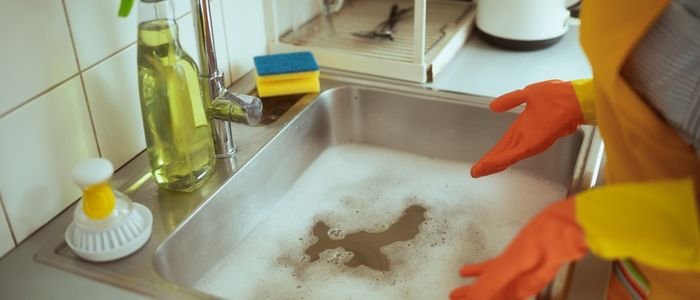
Ever wondered why your kitchen sink seems to take forever to drain or why water appears under your cabinets? For many homeowners, dealing with kitchen plumbing issues can be frustrating and stressful.
From leaks and clogs to unusual odors and low water pressure, these problems can interrupt daily routines and even lead to damage if left unaddressed. When we notice these issues early, we can take action before they escalate.
Understanding why these problems occur is the first step toward solving them efficiently. In this guide, we’ll walk through the most common kitchen plumbing problems, helping you identify issues early and address them before they escalate.
You’ll learn practical strategies for inspecting drains, sinks, faucets, and under-sink pipes. By following our step-by-step guidance, we gain the confidence to handle minor repairs, prevent recurring issues, and maintain a smoothly functioning kitchen. This approach saves time, avoids costly repairs, and keeps your home running efficiently.
Major Kitchen Plumbing Parts Where Problems Usually Occur
| Plumbing Area | Common Issue Found | Why the Problem Happens |
| Sink drain | Slow drainage, clogs | Food debris, grease, or soap buildup |
| P-trap | Leaks or odor issues | Misalignment, corrosion, or dried-out seals |
| Faucet supply lines | Low water pressure or leaks | Mineral deposits or loose fittings |
| Garbage disposal connection | Jams or leaks | Food scraps stuck or improper installation |
| Dishwasher drain line | Backflow or clogs | Grease buildup or improper hose positioning |
| Under-sink pipes | Dripping or corrosion | Wear over time, poor connections, or material fatigue |
By inspecting these parts regularly, we can focus our efforts where problems are most likely to occur.
Everyday Sink Struggles How Plumbing Problems Impact Your Kitchen
Kitchen plumbing problems can significantly disrupt daily routines, especially in high-use areas like the sink and dishwasher. Slow-draining sinks make washing dishes time-consuming, while leaky pipes under the sink can damage cabinets or floors over time.
We also notice that low water pressure affects cooking and cleaning tasks, and a clogged garbage disposal can halt dishwashing entirely. Unpleasant odors from drains create an uncomfortable kitchen environment and may indicate grease or food debris buildup.
Even minor issues can escalate quickly if ignored, leading to more serious blockages or water damage. When we address these problems early, we maintain smooth kitchen operations and prevent small inconveniences from turning into costly repairs.
Most Common Kitchen Plumbing Problems Homeowners Face
- Slow draining kitchen sink
- Leaking pipes under the sink
- Clogged garbage disposal
- Low water pressure at the faucet
- Bad odors coming from the drain
- Water pooling inside the cabinet
These issues are widespread because kitchen sinks handle constant water flow, food debris, and grease. We understand that even minor clogs reduce efficiency, while leaks may cause hidden water damage.
Garbage disposals often jam from inappropriate materials, and low faucet pressure can indicate blockages or worn-out valves. By knowing these common problems, we can focus preventive efforts on the most vulnerable parts of our plumbing system.
Simple Ways to Identify Kitchen Plumbing Problems
Catching kitchen plumbing problems early is key to avoiding costly repairs. Start by observing how water drains during normal use slow drainage may signal a clog. Check under-sink pipes for moisture, corrosion, or loose fittings, which could indicate potential leaks.
We should listen for unusual noises like gurgling, banging, or humming from pipes when running water, as these can point to air pockets or blockages.
Pay attention to odors from drains; persistent smells often suggest food residue or buildup in the P-trap. Inspect faucet water pressure regularly; a sudden decrease can indicate mineral deposits or leaks.
Testing your garbage disposal periodically for smooth operation helps prevent jams. By combining these checks, we can identify early warning signs and act before minor issues become major kitchen plumbing problems.
Typical Causes Behind Frequent Kitchen Sink Plumbing Issues
Several factors contribute to recurring kitchen plumbing problems. Food scraps, grease, and oil commonly build up in drains and P-traps, causing clogs and slow drainage. Mineral deposits from hard water can reduce faucet pressure or clog supply lines over time.
Loose or improperly fitted connections under the sink often lead to leaks, while corrosion or aging pipes weaken the plumbing system. Garbage disposals may jam when inappropriate materials like fibrous vegetables or coffee grounds are introduced.
We also notice that even dishwasher drain lines can experience blockages if not positioned correctly or cleaned regularly.
Understanding these causes allows homeowners to take preventive measures, such as regular cleaning and proper waste disposal, reducing the frequency of plumbing problems.
Common Warning Signs of Kitchen Plumbing Trouble
| Warning Sign | Possible Plumbing Issue | What It May Lead To |
| Slow drainage | Clogged sink or P-trap | Backup and inefficient washing |
| Water leaks | Loose connections or pipe corrosion | Water damage to cabinets and flooring |
| Strange pipe noises | Air pockets or partial clogs | Vibrating pipes, possible burst if ignored |
| Persistent odors | Food or grease buildup | Unpleasant smell, hygiene concerns |
Recognizing these warning signs allows homeowners to act promptly. We know that early detection prevents small issues from escalating into major repairs, keeping our kitchen functional, safe, and odor-free.
Why Fixing Kitchen Plumbing Problems
Addressing kitchen plumbing problems promptly is essential for maintaining both convenience and home safety. Leaks, slow drains, or clogs, if left unchecked, can escalate into water damage, mold growth, or structural issues in cabinets and flooring.
Slow sinks or low water pressure reduce efficiency and disrupt daily tasks like cooking and cleaning. Persistent odors or standing water create unhealthy conditions and can affect the overall comfort of your kitchen.
By acting quickly, we minimize repair costs, extend the lifespan of plumbing components, and prevent emergency situations.
Smart Ways to Keep Your Kitchen Pipes Trouble-Free
- Avoid pouring grease or oil into the drain
- Use a sink strainer to catch food scraps
- Check pipes under the sink regularly
- Clean drains periodically to prevent buildup
- Tighten loose pipe connections
- Run water after using the garbage disposal
- Educate household members on proper waste disposal
- Use cold water when operating the garbage disposal to solidify fats
- Schedule periodic inspections for older plumbing systems
When we implement these tips consistently, we keep our kitchen plumbing working efficiently, prevent leaks, and reduce clogs.
FAQ
Why is my kitchen sink draining slowly but not clogged?
If your kitchen sink is draining slowly but isn’t fully clogged, it’s usually due to partial blockages or buildup in the pipes. Grease, soap residue, and food particles can accumulate over time, restricting water flow without causing a complete blockage.
Other possible causes include a venting issue in the plumbing system or a partially blocked P-trap. Regular cleaning and maintenance can often restore proper drainage and prevent future slowdowns.
How to fix a kitchen faucet that is leaking from the base?
A kitchen faucet leaking from the base is often caused by a worn-out O-ring or a loose connection. To fix it, start by turning off the water supply under the sink. Next, remove the faucet handle and inspect the O-ring and other seals for wear or damage.
Replace any worn parts and reassemble the faucet, making sure all connections are tight. Finally, turn the water back on and test for leaks. Regular maintenance and checking seals can help prevent this issue from recurring.
How to unclog a kitchen sink garbage disposal?
Unclogging a kitchen sink garbage disposal can often be done safely at home. First, turn off the power to the unit to prevent accidents. Avoid using chemical drain cleaners, as they can damage the disposal. Next, check for any visible blockages and remove them carefully with tongs or pliers never use your hands.
Most disposals have a manual reset or hex socket on the bottom; using an Allen wrench, you can rotate the blades to free any jammed debris. Once cleared, restore power and run cold water while turning on the disposal to ensure it’s working properly. Regularly grinding small amounts of ice or citrus peels can help prevent future clogs.
Can I clean a kitchen faucet aerator without removing it?
Yes, you can clean a kitchen faucet aerator without fully removing it, though some buildup may be harder to reach. One easy method is to soak the aerator in a cup of vinegar while it’s still attached just place a small bag or cup filled with vinegar over the faucet tip and secure it with a rubber band.
Let it sit for 30–60 minutes, then run water to flush out debris. For stubborn mineral deposits, removing the aerator is usually more effective, but this quick method can help maintain water flow between deep cleanings.
Final Thoughts
Tackling kitchen plumbing problems at home doesn’t have to feel overwhelming. By learning to recognize early warning signs and understanding common causes, you gain the confidence to address minor issues before they escalate.
Regular inspections, proper waste disposal, and routine cleaning are simple but effective strategies for keeping drains, pipes, and faucets in good working condition.
With this knowledge, you can prevent slow drains, leaks, clogs, and odors, ensuring your kitchen remains functional and safe. Taking proactive steps also reduces repair costs and extends the lifespan of your plumbing system.
Ultimately, being informed empowers you to maintain a smooth-running kitchen, improve your DIY skills, and enjoy a cleaner, more efficient home environment. Staying vigilant and proactive ensures plumbing problems never disrupt your daily routines.